Meera Iyer ka alarm subah 7:00 baje bajta tha, lekin uska actual wake-up time usually 7:17 hota tha. Bengaluru ke ek apartment mein, jahan corridor mein har second koi na koi “good morning” ke naam pe parcel, pressure cooker ya passive-aggressive smile leke mil jaata tha, Meera aur Shobha Iyer ka ghar ek mini battlefield tha. Ek taraf Meera—28 saal ki IT project manager, hybrid work warrior, aur apne aap ko “main sab handle kar lungi” category ki certified overachiever. Doosri taraf Shobha—56 saal ki retired school teacher, jinki nazar fridge ke kaunse shelf pe kya pada hai, isse leke Meera ke life decisions tak sab pe hoti thi.
“Breakfast skip karke successful nahi bante,” Shobha roz bolti thi, jab Meera laptop ek haath mein aur coffee doosre mein pakad ke door nikalti.
“Mom, it’s just one meeting,” Meera already irritated voice mein bolti. “Aur meri productivity ka breakfast se direct relation nahi hai.”
Shobha bina dekhe steel tiffin lid close karti. “Haan, aur tumhari acidity ka relation bhi kisi se nahi hai, bas doctor se.”
Meera eye-roll kar ke nikal jaati. Shobha bhi waise hi apni duniya mein. Unke beech pyar tha, but expression ka mode thoda weird tha—kabhi “khana kha ke jaana,” kabhi “ye kya tamasha hai,” kabhi “main sab dekh rahi hoon.” Classic mother-daughter, bas thoda zyada sharp edges ke saath.
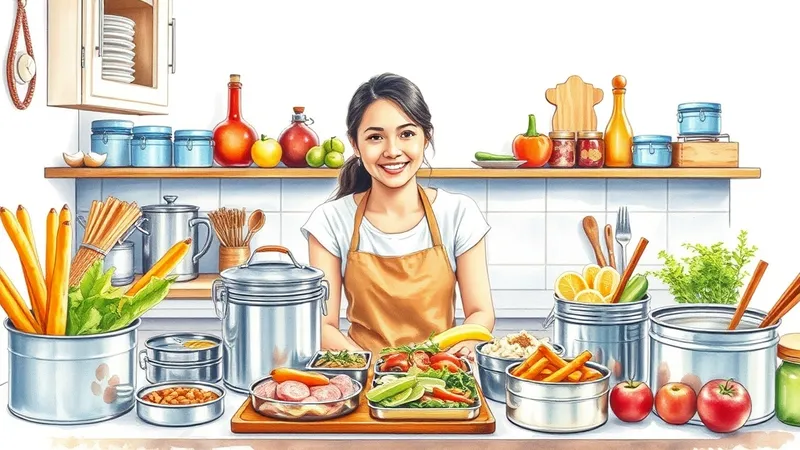
Har subah Shobha ek same old steel lunchbox mein kuch na kuch pack karti. Kabhi podi rice with ghee, kabhi tomato chutney rice, kabhi stuffed paratha with aloo aur ek secret masala twist. Meera ko lagta tha yeh sab “old-fashioned” hai. Office cafeteria mein log quinoa bowls aur cold brew le rahe hote, aur uska lunchbox lagta tha jaise kisi nostalgic auntie ne pyaar se assemble kiya ho. She would complain, “Mom, can’t you make something more… contemporary?”
Shobha hamesha same line bolti. “Contemporary kha ke pet bhar jaata hai kya?”
Meera ko gussa aata, but lunchbox kholte hi gussa thoda kam ho jaata. Problem yeh thi ki wo kabhi admit nahi karti thi ki mom ka khaana actually unbeatable tha.
Us din office mein bahut hectic team lunch tha. Meera ka schedule already full tha—client sync, roadmap review, aur ek “urgent” discussion jo usually matlab hota tha ki kisi ko bas apni confusion ko urgency ka naam dena hai. Table pe sab apne-bare mein bol rahe the, kisi ne salad ka bowl giraya, kisi ne laptop ke upar sauce ka drop chhod diya. Meera ne apna lunchbox khola, bas ek normal sa move samajh ke.
Phir room mein ek smell spread hui.
Aise nahi ki bas khushboo aayi. Aisa laga jaise office ke grey walls ke andar achanak ghar ka kitchen ghus aaya ho. People literally stop kar gaye. Ek colleague ne spoon half-air mein freeze kar diya. Doosre ne neck stretch karke poocha, “Wait, this smells insane. Ye kaunsi brand hai?”
Meera ne ek second ke liye apne lunchbox ko dekha. Phir casually boli, “Meri mom ne banaya hai.”
Bas. Us ek line ke baad log line mein aa gaye. Kisi ne ek bite liya aur aankhen widen ho gayin. “Bro, this is actually amazing.” “Isme kya hai?” “Can you ask your mom for the recipe?” “This tastes like comfort, yaar.” Meera ne pehle toh shrug kiya, but then she noticed something unusual—people weren’t being polite. They were genuinely excited.
Usi time Raghav, jo usually product guy ki tarah har cheez ko spreadsheet mein convert karne ka talent rakhta tha, side se bol pada, “Not kidding, Meera. This could be a startup. Comfort food for corporate people. Lunchbox subscription type thing. Solid idea hai.”
Acchhi Lagi Kahani? Apne Doston Se Share Karna Na Bhoolen! 💖
“Half joking,” Raghav smiled. “But idea low-key brilliant hai. Think about it—home-style meals, nostalgia, convenience, plus corporate crowd. Execution ka dekhna padega, obviously.”
Meera ke mind mein ek chhota sa click hua. Startup. Food-tech. Traditional recipes. Mom ke haath ka khaana. It didn’t sound stupid. It sounded… possible.
Wapas ghar aate hi uske dimaag mein wohi idea ghoom raha tha. Shobha kitchen mein dal chadha rahi thi. Meera ne shoes utarte hi bola, “Mom, ek idea hai.”
Shobha without looking up, “Aaj office se jaldi aa gayi? Tabhi idea aaya?”
“Seriously, hear me out,” Meera said, already in pitch mode. “Your lunchbox food—log office mein literally obsessed the. What if we make this into a proper business? Like home-style lunch subscriptions, maybe corporate clusters, maybe app-based ordering—”
Shobha ne gas stove off kiya. Slowly turned around. “Bakwas mat kar.”
Meera blinked. “What?”
“Ghar ka khaana business nahi hota, Meera. Ye sab Instagram pe achha lagta hai, real life mein nahi.”
Meera ko laga uske pet mein koi stone गिर गया हो. “Why are you always like this? I’m not asking for permission to breathe. I’m telling you there’s an opportunity.”
Shobha ka face hard ho gaya. “Opportunity? Tumhara office stable hai. Salary aa rahi hai. Ye sab risk lene ki kya zarurat hai?”
“Because I don’t want to do boring corporate life forever,” Meera snapped. “And because for once I want to build something of my own.”
“Own?” Shobha’s voice tightened. “Aur jo ghar ka khana hai, wo kis ka hai? Hawaa se bana hai?”
Bas, wahin se collision start ho gaya.
Agle kuch din ghar mein tension ka temperature kaafi high ho gaya. Meera ne apne laptop pe pitch deck banana start kar diya. Usne market size, customer pain points, subscription models, everything note kiya. She was being her usual overachiever self—jahan normal log idea pe sochte hain, Meera already brand colors aur revenue projections pe pahunch jaati. Shobha quietly dekhti rehti, kuch bolti nahi.
Aur phir ek din Meera ko pata chala ki Shobha ne Asha Aunty aur do aur neighbors ko lunchbox recipes taste karne ke liye bulaya tha.
Meera ko laga—bas, ab toh mom full sabotage mode mein hain.
“Wow,” Meera said, voice dangerously calm. “So you’re doing market research behind my back?”
Shobha was chopping coriander. “Behind your back? Tumne mujhe kab partner maana?”
“Because every time I share an idea, you shut it down!”
“Kyuki tum idea ko dream samajh rahi ho. Startup mein sirf passion nahi, patience, money, failure, aur logon ka judgement bhi hota hai. Sabse zyada judgement.”
Meera’s jaw clenched. “I can handle it.”
Shobha gave a small, bitter laugh. “Tumhe lagta hai tum handle kar logi. Main dekh rahi hoon na, kaise office mein bhi sab kuch akeli karne ki aadat hai tumhari. Par life mein akela sab sambhalna heroism nahi hota, Meera. Kabhi kabhi warning hoti hai.”
That line hit harder than expected.
Meera ne gusse mein room ka door band kiya. She spent the next two nights working on her pitch deck like it was a war plan. Raghav ko bhi sync-up pe bula liya. He came with his usual chill face and a notebook.
“Okay,” he said, scrolling through slides, “idea solid hai. But family dynamics ka angle thoda unusual hai. You’re building a business with your mom?”
Meera shrugged. “Technically yes.”
“Not technically,” Raghav said. “Emotionally bhi. And that’s complicated.”
Meera frowned. “I don’t need psychology. I need validation.”
Raghav smirked. “Validation toh mil jayegi. But execution? Packaging? Logistics? Shelf life? Food safety?”
“Thank you, Captain Spreadsheet.”
He laughed, but then became serious. “I’m not saying don’t do it. I’m saying don’t underestimate the emotional part. That’s not a bug, that’s the product.”
Meera wanted to argue, but something about that sentence sat in her chest like a quiet truth she didn’t want to admit.
The actual turning point happened three days later. Meera was searching for a charger in Shobha’s old cupboard when she found a notebook tucked behind a stack of sarees. It was brown, slightly faded, and had recipes written in neat handwriting. But that wasn’t the surprising part.
The surprising part was the calculations.
Portion cost. Ingredient substitution. Batch prep notes. Storage ideas. Lunchbox delivery zones. And on one page, in underlined writing, it said: “Women-led home food business idea. Small scale. Safe. Trust-based.”
Meera sat on the floor, notebook open, heart thudding.
Acchhi Lagi Kahani? Apne Doston Se Share Karna Na Bhoolen! 💖
There were also lines like: “School timing ke baad maybe 10 tiffins.” “Quality over quantity.” “Customers like familiar taste.” “Maybe one day after retirement.”
Meera’s throat tightened. Shobha had thought about this. Long before Meera said the word startup, Shobha had imagined something similar. But the pages stopped suddenly, as if someone had put the dream back in a drawer and closed it.
That evening Meera went to the kitchen holding the notebook. Shobha looked at it, then at her. For once, neither spoke immediately.
“You wanted to do this?” Meera asked softly.
Shobha looked away. “Wanted is a big word.”
“But you wrote it down.”
Shobha sighed. “Haan. Kabhi socha tha. But house, school, your grandparents, society ke comments, paise ka tension… sab ke beech idea idea hi reh gaya.”
Meera sat down slowly. “Then why did you stop me?”
Shobha gave her a long look. “Because I know what happens when women have to prove themselves twice. Once in the work, once in the room. Main nahi chahti thi ki tumhara idea kisi ke taunt mein dab jaaye. Ya tum fail ho jao aur phir log bolein, ‘Dekha, ghar ka khaana business nahi hota.’”
Meera’s eyes stung. “You think I’m that fragile?”
“No,” Shobha said, voice soft now. “I think you’re brave. And brave log kabhi kabhi overconfident bhi ho jaate hain. Main bas tumhe bachana chahti thi. Apne tareeke se.”
Meera looked down at the notebook again. Suddenly all those sharp comments, all the “bakwas mat kar,” all the dismissive lines—something in them shifted. They hadn’t come from contempt. They had come from fear.
She swallowed. “I thought you didn’t believe in me.”
Shobha’s mouth twitched, almost a smile. “Main tumhari overconfidence mein believe karti hoon. Tumhara patience thoda less hai.”
That made Meera laugh, despite herself.
The next morning, Shobha did something very un-Shobha-like. She called Asha Aunty.
Now Asha Aunty was the kind of neighbor who knew everyone’s business before the person themselves did. If someone bought a new mixer grinder, she knew the model number. If someone fought with their spouse, she knew the exact sentence. If someone got a haircut, she had opinions. So when she walked into the Iyer kitchen with a suspiciously interested face, Meera knew the whole building was already involved.
“Sun rahi hoon,” Asha Aunty said, peering into the lunchbox samples, “kuch naya chal raha hai.”
Shobha folded her arms. “Tasting karna hai toh bolo.”
Asha Aunty’s eyes lit up. “Arre wah. Ye toh serious ho gaya.”
And that’s how the first unofficial pilot started—not in a glamorous co-working space, but in a building kitchen with judgmental aunties, one overconfident daughter, and one mother pretending not to care while measuring masala like a scientist.
Meera handled branding. She made a simple name: “Lunchbox Wali.” Raghav helped set up a basic ordering sheet and a mock landing page. Shobha standardized recipes with terrifying precision. “Aloo ka size same hona chahiye,” she declared. “Consistency is not optional.” Meera laughed, “Mom, you’re literally a product manager in disguise.” Shobha replied, “And you are still bad at packaging.”
They argued over containers, spice levels, delivery timings, and whether coriander should be added before or after cooling. But now the arguments felt like team reviews, not emotional landmines.
Within two weeks, office colleagues started ordering. Then colleagues’ colleagues. Then a few apartment residents. Asha Aunty, of course, spread the word like a local PR agency. “Home ka khaana hai, par classy hai,” she told everyone. “Aur Meera ki mom ka haath… bas, kya bolun.”
One afternoon Meera got a message from a client: “Randomly tried your mom’s tomato rice. Best lunch in months. Please keep this going.”
Meera stared at the text for a while.
Later that evening, she and Shobha were standing in the kitchen, both tired, both slightly sweaty, both weirdly proud. The sink was full, the counters were messy, and the fridge had three different test batches. It looked like chaos. But a useful kind of chaos.
Meera leaned against the counter. “You know,” she said, “I still think your packaging feedback is annoying.”
Shobha didn’t even blink. “And I still think your branding font is too fancy.”
Meera smiled. “Fair.”
There was a pause. Then Shobha, very casually, asked, “Kal ke orders ke liye extra chutney banana hai?”
Meera looked up. That was her mom’s version of saying, I’m in.
“Yeah,” Meera said, voice softer now. “Let’s do extra.”
Acchhi Lagi Kahani? Apne Doston Se Share Karna Na Bhoolen! 💖
And just like that, the lunchbox stopped being only lunchbox. It became a bridge. Between old and new. Between caution and ambition. Between a mother who once buried her own dream and a daughter who thought independence meant distance.
Meera didn’t quit her job that month. Shobha didn’t become suddenly sentimental. Raghav still asked annoying practical questions. Asha Aunty still gossiped like it was community service. But something had changed for good.
Meera had learned that roots are not chains. And Shobha had learned that a daughter’s dream doesn’t always need correcting—sometimes it needs structure, salt, and a little faith.
And the best part? For the first time, Meera didn’t feel like she was choosing between her career and her mother’s world. She was building something in the overlap.
A few weeks later, on a busy Monday, Meera opened her lunchbox in office. Same steel dabba. Same home-style aroma. Same familiar comfort. But now, when people asked, “Ye kaunsi brand hai?” she smiled and said, “It’s not a brand yet. It’s my mom and me.”
And that, somehow, sounded better than any pitch deck.
---
Storydilse ke pyaare readers, itna time nikaal ke Meera aur Shobha ki ye chhoti si duniya padhne ke liye dil se thank you. Aapka pyaar aur support hi in kahaniyon ko zinda rakhta hai. Ummeed hai ye story aapke dil ko thoda hasa bhi gayi hogi, thoda sochne pe bhi majboor kiya hoga, aur maybe apne ghar ke lunchbox ya kisi apne ki yaad bhi dila gayi hogi. Phir milte hain ek aur dil se nikli kahani ke saath. Tab tak ke liye, khush rahiye, pyaar baantte rahiye, aur apne roots ko kabhi underestimate mat kijiye. Thank you so much for reading!